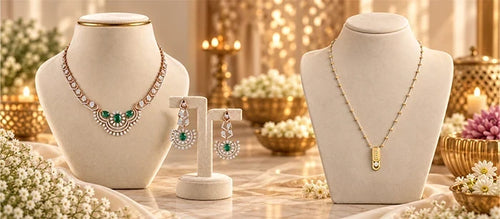
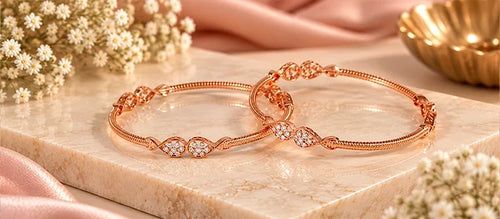
For generations in India, gold followed a strict calendar.
Weddings. Festivals. Family functions. Locker days.
Gold was precious—but distant. Loved—but reserved. Worn—but rarely.
Today, that definition is quietly breaking.
Across India, gold is stepping out of bridal trousseaus and ceremonial boxes and into everyday life. Modern buyers are no longer asking “Is this heavy enough?”
They’re asking “Can I wear this every day?”
Welcome to the new era of gold—personal, practical, and purpose-driven.
The Traditional Role of Gold—and Why It’s Changing
Gold has always carried emotional weight in Indian households. It symbolized:
- Prosperity
- Security
- Family legacy
- Cultural pride
But traditionally, it also came with rules:
- Save it for big occasions
- Wear it only when it “matters”
- Keep it safe, not visible
As lifestyles evolve, these rules feel less relevant.
Modern India lives faster, dresses lighter, and values experiences over formality. Jewellery has followed suit.
Gold is no longer waiting for an invitation.
From Heirloom to Everyday Statement
Today’s gold buyer isn’t rejecting tradition—they’re reinterpreting it.
Instead of heavy bridal sets, they’re choosing:
- Delicate gold chains
- Minimal rings
- Lightweight bangles
- Subtle pendants
Gold has shifted from ceremonial to conversational—something worn to work, coffee dates, travel, and everyday moments.
It’s no longer about showing status.
It’s about expressing self.
Why Modern Buyers Want Gold to Be Worn, Not Stored
1. Lifestyle Has Changed
With hybrid work, global fashion exposure, and fluid dressing styles, people want jewellery that adapts.
Gold today must:
- Feel light on the skin
- Match Indian and Western outfits
- Work from morning meetings to evening plans
Heavy jewellery doesn’t fit modern routines—but refined gold does.
2. Emotional Value Over Occasion Value
Earlier, gold marked events.
Now, it marks identity.
A simple gold ring might be worn daily because it feels meaningful—not because it’s expensive or festive.
The emotional bond matters more than the calendar date.
3. Confidence Is the New Status Symbol
Modern buyers don’t need jewellery to announce wealth.
They choose gold pieces that reflect:
- Quiet confidence
- Personal style
- Intentional living
Subtle gold worn consistently often says more than elaborate jewellery worn once.
Minimal Gold Is the New Power Dressing
In contemporary India, gold has entered professional and casual wardrobes.
A thin gold chain at the office.
Small hoops during travel.
A sleek bracelet paired with a watch.
These choices feel modern, tasteful, and confident.
Gold has become an extension of daily style—not an interruption.
A New Generation, A New Gold Language
Millennials and Gen Z are reshaping gold consumption in powerful ways.
They prefer:
- Lightweight designs
- Clean silhouettes
- Contemporary craftsmanship
- Everyday wearability
They don’t see gold only as an investment.
They see it as self-expression.
Gold today is worn for oneself, not just for society.
Design Innovation Is Driving the Shift
Jewellery brands have evolved alongside buyers.
Modern gold designs focus on:
- Comfort
- Balance
- Fine detailing
- Practical weight
Brands like PP Jewellers understand that today’s gold must serve both emotion and everyday life. Their contemporary gold collections reflect changing lifestyles—where elegance meets ease, and tradition meets modern design.
Because gold that stays locked away loses its purpose.
Gold as Everyday Gifting
Another major shift: how gold is gifted.
Earlier, gold gifting meant:
- Weddings
- Major festivals
- Formal family occasions
Now, people gift gold for:
- Birthdays
- Anniversaries
- Milestones
- Self-rewards
A simple gold pendant or ring has become a meaningful, wearable gift—one that becomes part of someone’s daily life.
Redefining “Investment” in Gold
Traditionally, gold’s value was measured by:
- Weight
- Purity
- Long-term resale
Today, value also includes:
- How often it’s worn
- How emotionally connected it feels
- How naturally it fits into life
Gold that’s worn daily offers returns in confidence, comfort, and joy—not just price.
That’s a new kind of investment.
Blending Global Trends with Indian Roots
Modern gold jewellery reflects global minimalism while staying rooted in Indian sensibilities.
Designs are:
- Lighter
- Cleaner
- More versatile
Yet they still hold cultural relevance.
This blend allows gold to travel seamlessly between:
- Office and home
- Casual and festive
- Personal and traditional
The Future of Gold Is Everyday
Gold isn’t losing its importance—it’s gaining relevance.
As buyers seek meaning, flexibility, and authenticity, gold continues to evolve from:
- Rare to regular
- Heavy to thoughtful
- Occasion-led to lifestyle-led
This transformation isn’t temporary. It’s a reflection of how India lives today.
Final Thoughts: Gold, Reimagined
Gold no longer waits for weddings.
It’s worn on ordinary days that matter just as much.
It’s chosen for comfort, confidence, and connection.
It’s styled for life—not just for ceremonies.
Because true luxury isn’t about when you wear gold.
It’s about why you wear it.
And today, gold is worn for self-expression, everyday elegance, and quiet confidence.
Gold hasn’t changed.
The way we live with it has.